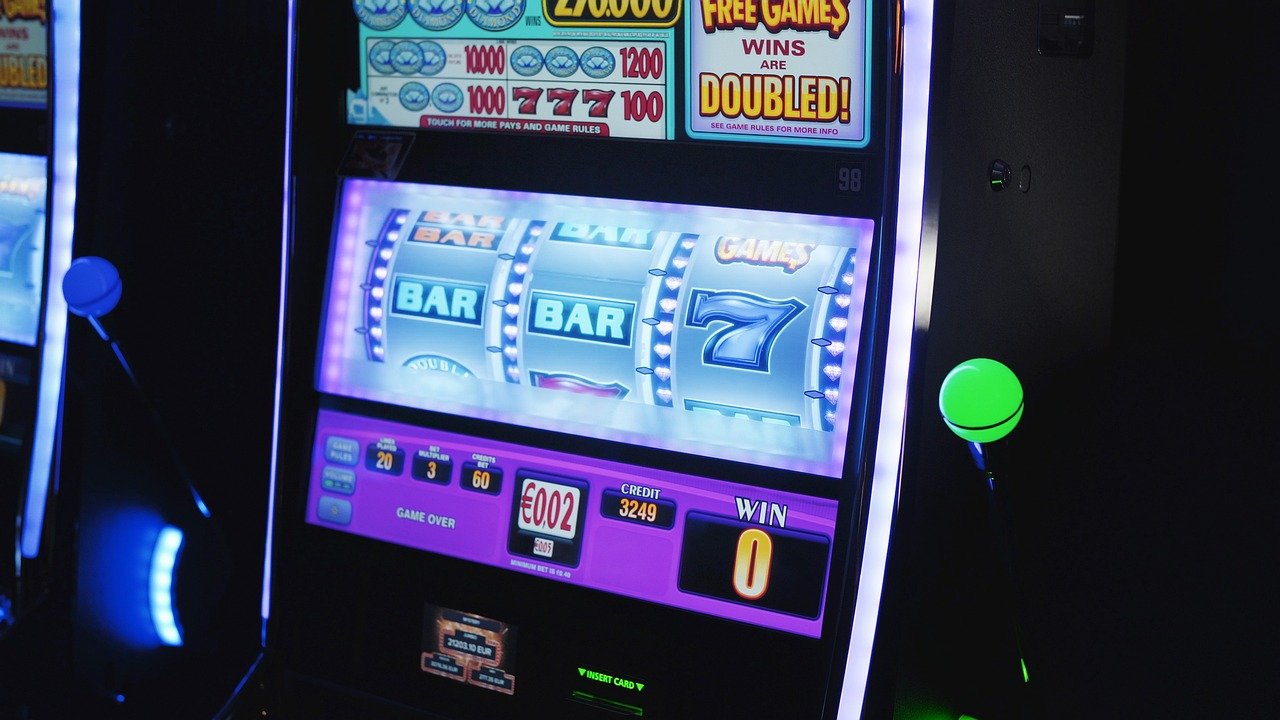
poker games, How slot machines mechanically work inside Random Number Generators, their functionality, and role
Payout structures and RTP percentages The maths of slot machine gaming The psychology of gambling and its application to slot machines Addiction and problem gambling related to slots
Psychology of Slot Machines:
Design elements which make slot machines addictive
Responsible gambling measures; their functionality
Business of Slot Machines:
History of slot machines
Slot machine industry and major players
Casino economics of slot machines
Technology in changing the slot machine
Slot Machine Regulation:
Legal framework relevant to slot machines
Different approaches to regulation in various jurisdictions
Impact of regulation on the slot machine industry
Controversies and challenges of slot machine regulation
Player Behaviour and Strategies:
Common myths and misconceptions about slot machines poker games
Good and bad slot machine strategies
Impact of various bet sizes and denominations
Bankroll management for slot players
Poker is a family of comparing card games in which players wager over which hand is best according to that specific game’s rules. It is played worldwide,
with varying rules in different places. While the earliest known form of the game was played with just 20 cards,
today it is usually played with a standard 52-card deck,
although in countries where short packs are common, it may play with 32,
40 or 48 cards.[1] Thus poker games vary in deck configuration, the number of cards in play,
the number dealt face up or face down and the number shared by all players,
but all have rules that involve one or more rounds of betting.